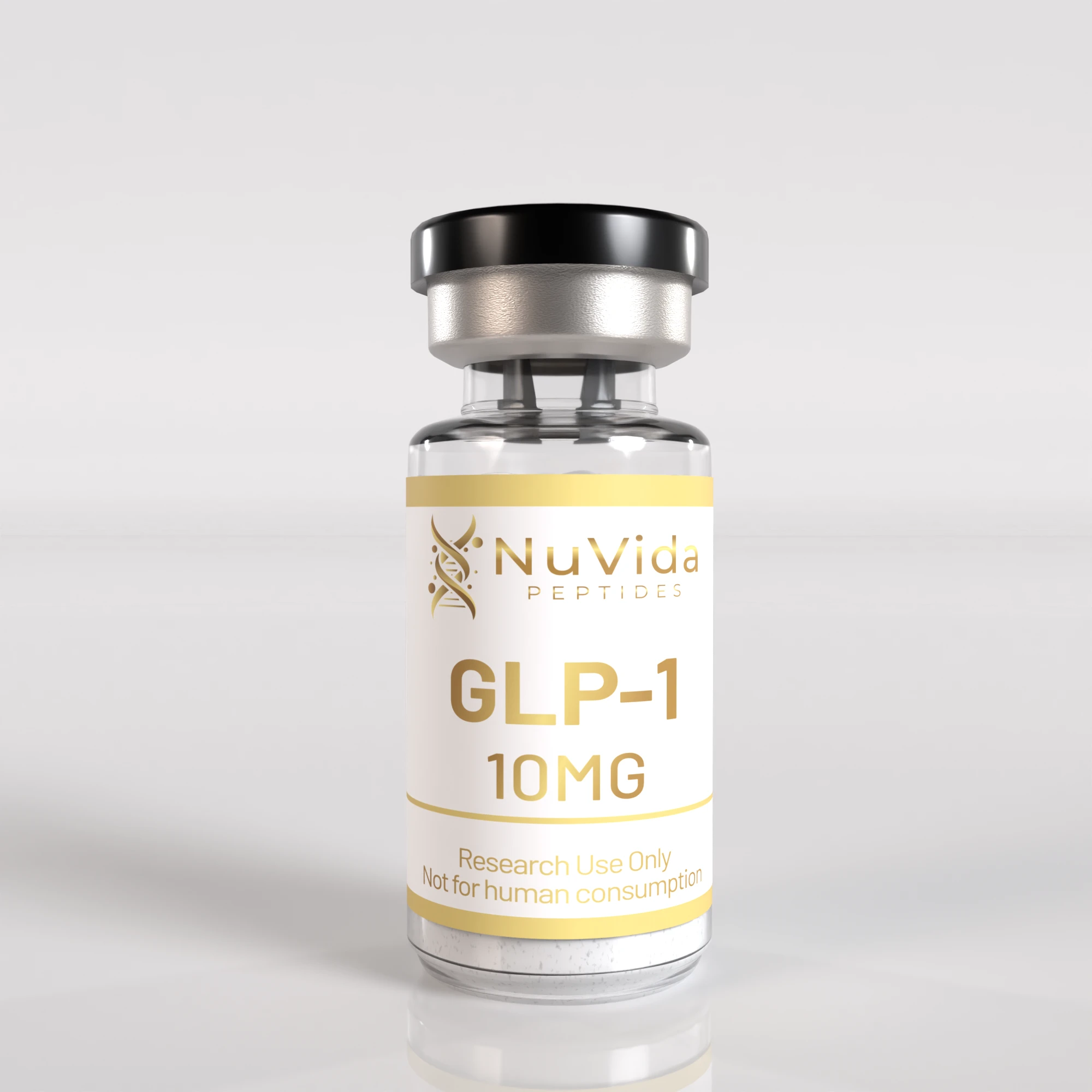

GLP-1 (Glucagon-Like Peptide-1) Peptide
This product contains GLP-1, a peptide of research interest that plays a critical role in the regulation of glucose metabolism and gastrointestinal function. GLP-1 is an endogenous hormone produced primarily in the L-cells of the intestine, with physiological effects observed in both experimental animals and humans.
Research Context
GLP-1 peptides are of significant interest in metabolic and gastrointestinal research due to their dual role in modulating appetite and glucose homeostasis. The natural form of GLP-1, GLP-1 (7-36) amide, is a potent incretin hormone that enhances insulin secretion in response to nutrient ingestion while reducing glucagon secretion. Synthetic derivatives, including longer-acting analogs like exendin-4, are widely studied for their potential therapeutic applications in diabetes management.
Research utilizing GLP-1 peptides often involves in vivo studies in animal models, such as rodents, to investigate its mechanisms of action, pharmacological properties, and potential for developing novel treatments for metabolic disorders. The product is intended for use in academic research and industrial R&D environments where controlled experimentation is required.
Research Overview
GLP-1 peptides have been extensively studied for their effects on pancreatic beta-cell function, glucose tolerance, and gastrointestinal motility. In preclinical studies, GLP-1 administration has demonstrated:
– Glucose-dependent insulinotropic effect, where insulin secretion is proportionally increased in response to elevated blood glucose levels.
– Delayed gastric emptying, which may contribute to appetite suppression and satiety.
– Reduction of glucagon secretion, helping to stabilize blood glucose levels.
These findings have underpinned the development of GLP-1 receptor agonists as therapeutic agents in diabetes and obesity research.
Key Research Focus Areas
- Metabolic Regulation: Investigation of GLP-1’s role in insulin sensitivity, glucose homeostasis, and energy balance through in vivo models.
- Gastrointestinal Physiology: Studies examining gastric motility, pancreatic endocrine function, and satiety mechanisms induced by GLP-1 administration.
- Pharmacological Characterization: Evaluation of peptide stability, bioactivity, and pharmacokinetic profiles in experimental settings.
- Comparative Analysis: Comparison of natural GLP-1 with synthetic analogs (e.g., exendin-4) to assess structural-function relationships.
- Toxicology and Safety: Assays for assessing potential side effects, dose-dependent responses, and compatibility with other pharmaceuticals.
Product Specifications
| Parameter | Specification |
|---|---|
| Peptide | Human GLP-1 (7-36) amide, synthetic |
| Molecular Weight | 3146.5 Da (dried mass) |
| Purity | ≥95% by HPLC analysis |
| Solubility | Soluble in PBS (pH 7.4) or sterile water for injection |
| Storage | Store at −20°C until use. Avoid repeated freeze-thaw cycles. |
This peptide is provided for research purposes only and is not intended for human or animal consumption. Always follow established protocols for handling, storage, and disposal of experimental materials to ensure compliance with laboratory safety standards.
Important Disclaimer
For research use only. Not for human or animal consumption. The information provided herein is for academic and experimental use only. Users are responsible for ensuring compliance with all applicable regulations, including those related to controlled substances, biosecurity, and experimental protocols. Consult appropriate regulatory authorities for guidance specific to your institution or country.

Reviews
There are no reviews yet.