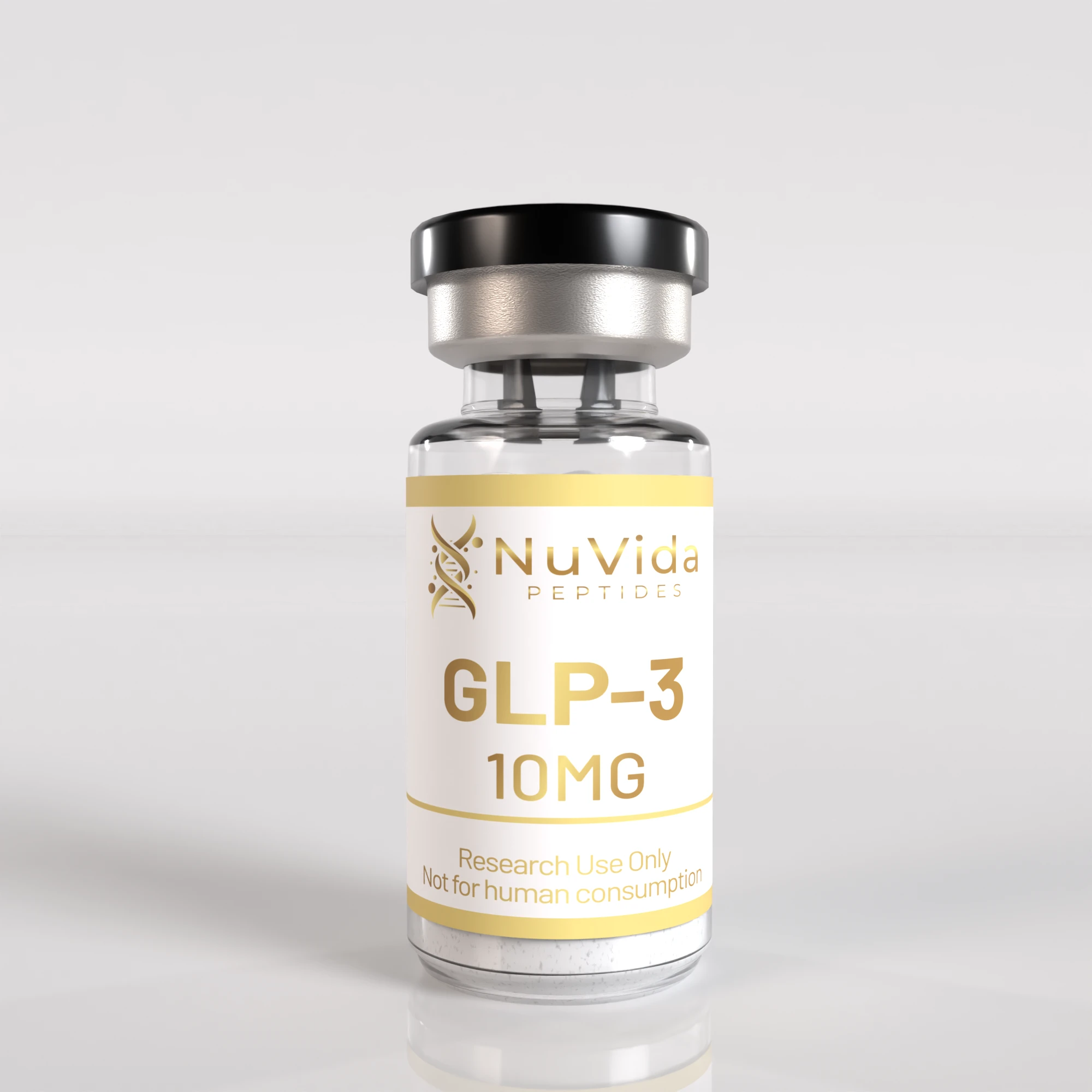

GLP-3 (Glucagon-Like Peptide-3) Peptide – 10 MG
GLP-3 (Glucagon-Like Peptide-3) is a naturally occurring hormone in the digestive system that plays a critical role in regulating intestinal motility, glucose metabolism, and satiety. This peptide is a research-use-only compound, derived from naturally occurring sequences within the gastrointestinal tract. Its structural and functional properties make it relevant for advanced biochemical and pharmacological studies.
Research Context
GLP-3 is primarily synthesized in the intestines and functions as a key regulator of gastrointestinal processes. It has been extensively studied in preclinical and early-stage clinical investigations for its effects on appetite suppression, bowel motility, and metabolic homeostasis. Due to its biological activity, GLP-3 has been investigated in various models of gastrointestinal disorders, metabolic syndrome, and obesity research. However, it is essential to emphasize that this peptide is not intended for therapeutic, diagnostic, or cosmetic applications in humans or animals.
Research Overview
GLP-3 is part of the incretin hormone family, which includes GLP-1 (Glucagon-Like Peptide-1). Together, these peptides play a role in coordinating nutrient sensing, energy balance, and pancreatic endocrine function. Research involving GLP-3 has focused on its potential mechanisms of action, including modulation of intestinal hormone secretion, suppression of gastric emptying, and effects on gut-derived signaling pathways. While GLP-3 has shown promise in animal studies for improving digestive function and metabolic regulation, further investigation is required to understand its full scope of biological activity in controlled research settings.
Key Research Focus Areas
- Gastrointestinal Motility: GLP-3 is known to slow gastric emptying and enhance intestinal transit, making it relevant for studying disorders associated with altered motility, such as gastroparesis or chronic intestinal pseudo-obstruction.
- Metabolic Regulation: Research has explored GLP-3’s potential influence on glucose metabolism and energy homeostasis, particularly in preclinical models of obesity and diabetes.
- Neuroendocrine Signaling: The peptide interacts with receptors in the gut-brain axis, influencing satiety signals and feeding behavior. This aspect is critical for studies on appetite modulation and satiety mechanisms.
- Incretin Biology: As part of the incretin family, GLP-3 contributes to the regulation of pancreatic hormone secretion, including insulin and glucagon. Investigations into its role in pancreatic physiology remain a focal point in metabolic research.
- Drug Discovery Applications: GLP-3’s biochemical properties have been explored as a scaffold for developing novel therapeutic agents targeting gastrointestinal and metabolic disorders.
Safety and Compliance
This peptide is provided exclusively for research purposes and must be handled with caution. Due to its biological activity, GLP-3 should be used only under the guidance of qualified researchers in controlled laboratory environments. Research involving GLP-3 requires adherence to strict protocols to ensure proper containment, storage, and disposal of the compound to mitigate potential risks.
Any unauthorized use, including human or animal consumption, is strictly prohibited and may constitute a violation of applicable laws and regulations. This product is not intended for therapeutic, diagnostic, cosmetic, or non-research applications.
For research use only. Not for human or animal consumption.



Reviews
There are no reviews yet.